
As experts in fine European cured meat, we at Mpoumpas are happy to honour the legacy of a true Mediterranean classic: pastourma. Not only a cured meat but a centuries old culinary heritage of methods of preservation and intense and memorable flavours. Defined by its unique aroma of spicy aromatic spices, pastourma is a journey of taste that is at once ancient and intensely modern, a journey that begins with a unique aroma and ends with a lingering warmth.
The History of Pastourma
The history of pastourma is as in-depth and complicated as the taste itself, dating back to the nomadic people of Central Asia. The very name, the Turkic bastirma, or pressed meat, is already an indication of the convenience of this method of preservation which was used by the horsemen to carry their food on rides. They would, so the legend goes, put slabs of meat under their saddles, where the pressure of the ride and the heat and salt of their sweat would press out the moisture and cure the meat.
This tradition started in the area of Cappadocia in modern-day Anatolia where Greek and Armenian craftsmen perfected the art. They also developed sophisticated techniques of salting and air drying and created a delicacy that was very popular in the Byzantine and Ottoman empires. The name pastourma is the Greek transliteration of the Anatolian word. This gastronomic secret was introduced to Greece by Karamanlides, Greek Orthodox refugees of Cappadocia, who settled in such regions as Athens and Thessaloniki, opening the first small butcheries and pastourma shops. The cured meat, the apoktin, was already a part of the Greek culinary, but with the Anatolian methods and spices, the pastourma was born as we know it nowadays
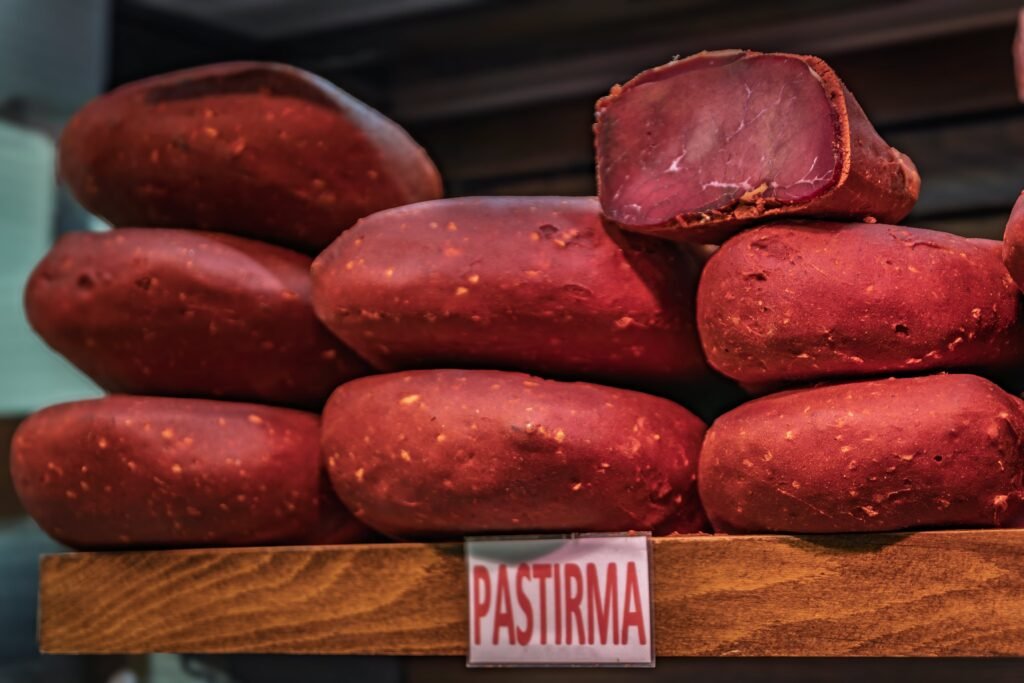
What Meat is Pastourma Made From?
Although traditionally the most famous pastourma was made of camel meat, nowadays it is mostly made of beef. This change is due to alterations in supply and taste. Historically, camel meat was valued because it was lean and tough, and thus ideal to undergo the long natural curing process.
At Mpoumpas we use the best cuts of lean beef, usually the eye of the round (the beef silverside). This provides a clean texture that will last during the pressing and curing well. Though beef is the norm, other meats can also be used to make pastourma, including lamb or water buffalo, but these are much less common. The real nature of the pastourma, however, is not in the meat itself, but in the elaborate procedure which succeeds.
How is Pastourma Made?
Making traditional pastourma is a time-consuming task that requires patience, care and a slow hand. It is possible to divide the process into three stages:
- Preparation and Pressing: A lean, whole piece of meat is then cut of all the fat and sinew. The meat is then salted heavily to remove moisture from it and enter the curing process. The meat is then pressed under heavy weights over a period of weeks, which is an important process which squeezes the muscle fibers and drains off excess water. This pressure helps both in preservation but also provides pastourma with a dense and smooth texture.
- Air-Drying: Once the meat is pressed, it is washed and hung up in a cool and well-ventilated place for many weeks. This, like the maturation of a fine prosciutto, will enable flavors to condense and mature.
- The Application of Çemen: This is the most significant procedure of pastourma. The meat is then covered with a thick and aromatic paste called çemen. It is a distinct spice rub of ground spices and mashed garlic, which creates a seal over the meat. The çemen is not only a flavoring, but a secondary preservative, to guard the meat against mold and insects in its last curing phase.
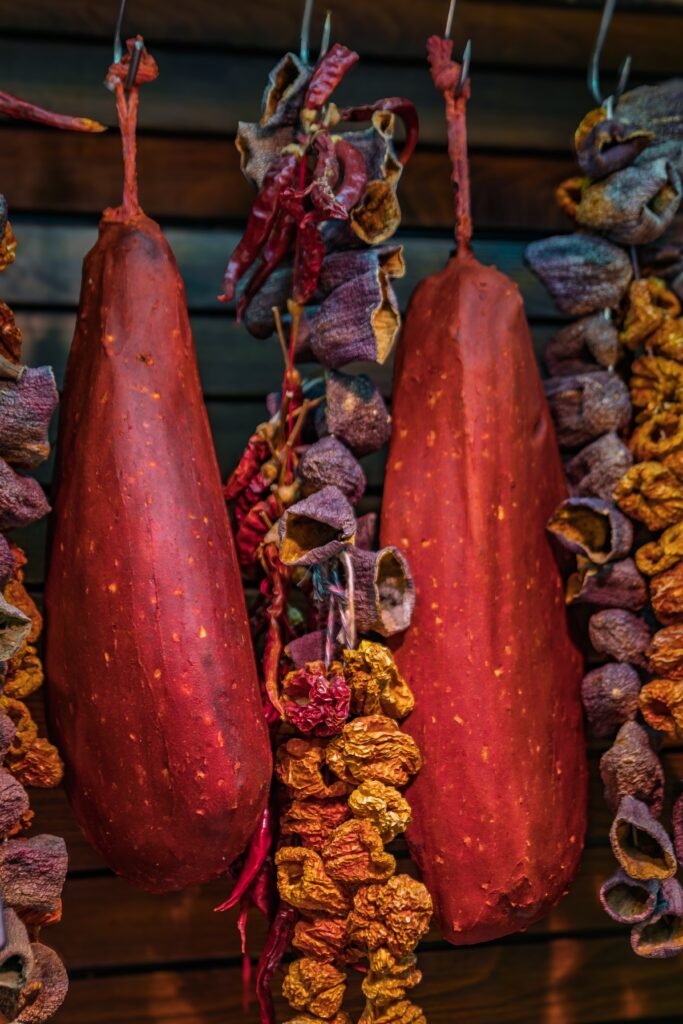
Why Fenugreek (Çemen) Matters
The aromatic smell of pastourma is due to one ingredient: fenugreek. This tiny, clover-like plant offers the slightly bitter, and deeply earthy flavours that are crucial to the çemen paste. The mixture of fenugreek, paprika and garlic makes a complex taste that is spicy and savory. When you cut a piece of pastourma, you are not only tasting the cured meat, you are tasting the synergy of these strong spices, something that has characterized this delicacy over the centuries.
Traditional Spices in Pastourma
The basic ingredient is the çemen paste but the proportions of the spices might vary according to region and family recipe. Fenugreek, garlic and sweet paprika are the main ingredients and they always give this dish its brick-red color. Other spices that may be added to add complexity are:
- Cumin
- Allspice
- Black pepper
Some Greek versions may include a splash of red wine to wet the paste, whereas other versions may include hotter paprika to spice it up.
Pastourma vs. Pastrami
A common point of confusion is the difference between pastourma and pastrami, its famous American cousin. While they share a linguistic root and a cured-meat identity, their creation and culinary use are worlds apart.
- Curing Method: Pastourma is a raw, air-dried meat that is never cooked. Pastrami, by contrast, is a brined and smoked meat. It is brined with salt and spices, then typically smoked and finally steamed until tender.
- Flavor Profile: The dominant flavor of pastourma is the bold, savory, and aromatic fenugreek from the çemen paste. Pastrami’s flavor is defined by the sharp, peppery crust of ground coriander and black pepper, along with the smokiness from its preparation.
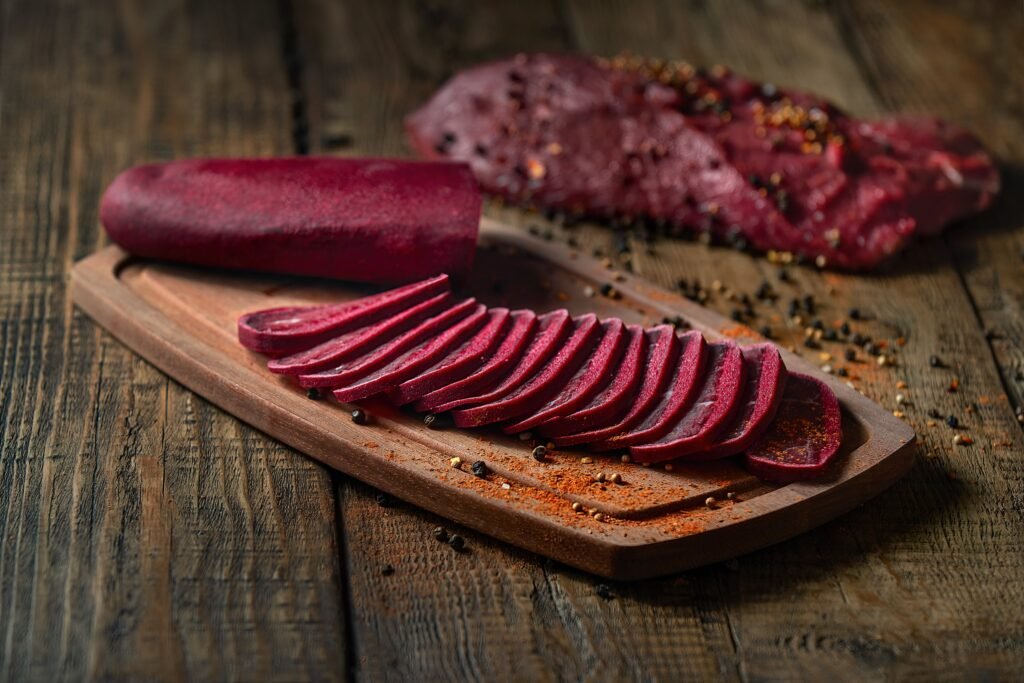
- Culinary Use: Pastourma is traditionally served thinly sliced and raw, showcasing its unique texture and bold flavor. Pastrami is cooked and is famous for being served hot and thick-cut on rye bread in classic New York deli sandwiches.
Culinary Uses of Pastourma
The versatility of pastourma is its attribute. It is most often served in paper-thin, transparent slices, but it tastes full enough to hold its own up against the heat.
- Raw: Eat as an appetizer with aged graviera/feta cheese and a few olives and a dry red vessel of meat. The thin slices are melted on the tongue and create an eruption of the taste.
- Cooked: Avga me pastourma or, (concisely), avga and pastourma is a typical Greek-Anatolian breakfast or lunch dish. The pastourma is also cooked in a pan so that it can become crispy and then eggs are cracked on to it making a delicious fusion.
- Baked Goods: Pastourma features heavily in one of the most well known of savory pies in Greece called pastourmadopita, which is a mixture of pastourma with cheese and tomatoes plus other seasonings mixed in a warm pastry. It is also amazing in pizzas and rustic pies.
Health and Nutrition: Is Pastourma Good for You?
Pastourma has both health advantages and factors to take into consideration.
- Pros: This is high in protein that has little to no carbohydrates thus benefiting those whose dietary need is high in protein. Being a naturally preserved food, it does not contain any of the chemical additives typical of many modern processed meat.
- Cons: Pastourma is highly sodium rich because of curing process. It should be used in moderation by those on a low-salt diet or having high blood pressure. The powerful fenugreek odor is also capable of producing an after effect on breath, something which some might consider charming but a factor that others are taking into account.
FAQs About Pastourma
How long does curing pastourma take? The entire process, from salting to air-drying and the final cure in the çemen paste, can take anywhere from a few weeks to several months, depending on the desired texture and the producer’s traditional methods.
Is pastourma camel meat? Historically, yes, it was often made from camel meat. Today, however, it is almost exclusively made from beef due to its greater availability and popularity.
What’s the best way to eat it? To truly appreciate its texture and flavor, we recommend eating pastourma thinly sliced and raw. However, it is also delicious cooked with eggs or baked into a pie.
How long does the full pastourma curing process take? The entire process, from salting to air-drying and the final cure in the çemen paste, typically takes 1 to 2 months. The exact duration can vary depending on the specific drying method, climate conditions, and the desired level of firmness.
Is pastourma made of camel meat? Historically, yes, it was often made from camel meat, particularly by nomadic cultures. Today, however, it is almost exclusively made from beef due to its greater availability and popularity in modern cuisine.
Is pastourma healthy? Pastourma is a great source of high-quality protein, with very few carbohydrates. However, due to the curing process, it is also very high in sodium. It is best enjoyed in moderation as part of a balanced diet, especially for those watching their salt intake.